Unearthing the rich history of casinos From ancient gaming to modern entertainment
The Origins of Gambling
The history of gambling traces back thousands of years, with evidence suggesting that ancient civilizations engaged in games of chance. Archaeologists have discovered artifacts from as early as 3000 BC in Mesopotamia, where dice made from animal bones were used in various gaming activities. Similarly, the Chinese developed rudimentary games involving betting on the outcomes of events, further highlighting the human penchant for risk and reward. Many players today seek the best online casinos australia to experience a modern twist on these ancient practices.

As civilizations evolved, so did the forms of gambling. The Romans and Greeks popularized betting on athletic events and created games that would lay the groundwork for modern casino games. These ancient cultures viewed gambling not just as a pastime but also as a means of social interaction and entertainment, establishing early forms of gaming houses and betting rings.
The Evolution of Gambling in Europe
During the Middle Ages, gambling faced periods of prohibition and acceptance across Europe. However, it was in the 17th century that gambling began to flourish with the establishment of the first casinos. Venice’s Ridotto, founded in 1638, is widely recognized as the first public casino, offering organized games in a setting that combined entertainment with social engagement.
As the 18th century approached, gambling became a staple of European high society. The introduction of baccarat, roulette, and other games marked a shift towards more structured gaming experiences. The French played a crucial role in shaping modern gambling, and their influence is still felt today in many casino games that are enjoyed around the world.
The late 19th century saw the emergence of casinos in the United States, particularly with the California Gold Rush and the establishment of gambling houses in the Wild West. However, it was Las Vegas that would eventually transform the casino landscape. The post-World War II era led to a surge in tourism, prompting the construction of extravagant casinos that offered not just gaming, but also luxurious accommodations and entertainment options.
By the 1970s and 1980s, Las Vegas had firmly established itself as the gambling capital of the world. The introduction of themed casinos and high-stakes gaming attracted a diverse clientele, from high rollers to casual players. This era marked the beginning of casinos as entertainment hubs rather than mere gambling venues.
The Digital Casino Revolution
With the advent of the internet in the 1990s, the casino industry experienced a significant transformation. Online casinos emerged, allowing players to enjoy their favorite games from the comfort of their homes. This innovation not only expanded access to gambling but also introduced new game formats and betting options that appealed to a broader audience.
The rise of mobile technology further revolutionized the gaming experience, enabling players to gamble on the go. Today, online casinos feature a vast array of games, including live dealer options that replicate the in-person casino experience. This blend of technology and gaming has redefined the industry, making it more accessible and diverse than ever before.
Discovering the Modern Casino Landscape
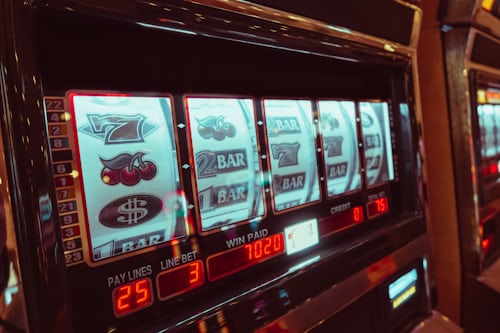
Today, casinos represent more than just places to gamble; they have become multifaceted entertainment complexes. From world-class restaurants to concerts and events, casinos now offer a wide range of activities that cater to different interests. The emphasis on creating an all-encompassing experience has redefined what it means to visit a casino.
For those looking to explore the ever-evolving landscape of online gaming, Australian Online Pokies serves as an essential resource. With a comprehensive database of digital casinos and game reviews, it empowers players to make informed choices. Emphasizing responsible gaming practices, the platform provides valuable insights to ensure a safe and enjoyable gaming experience.
“`